
Digital payments have become a normal part of everyday life in India. People use UPI to buy groceries, pay bills, order food, send money to friends, and make small payments at local shops.
Now, UPI users have another reason to pay attention.
On September 14, 2026, India introduced a change that prevents banks and payment system providers from charging users directly or indirectly for UPI transactions of up to ₹2,000. The same protection also applies to RuPay debit card payments within the specified limit.
This change could make small digital payments even more attractive for consumers.
But what exactly has changed?
Let us understand the new UPI rule, who benefits from it, and what it could mean for the future of digital payments in India.
What Has Changed for UPI Payments?
The latest change focuses on low-value digital payments.
Under the new provision, banks and payment system providers cannot impose direct or indirect charges on individuals for UPI transactions of up to ₹2,000.
The rule also covers RuPay debit card payments within the same limit.
In simple words, if you make an eligible UPI payment of ₹500, ₹1,000, or ₹2,000, the new provision protects the transaction from such charges.
This is particularly important for people who use UPI several times a day.
Why Is the ₹2,000 Limit Important?

Small transactions are the backbone of India’s digital payment ecosystem.
For example, imagine a person making several payments during a normal day:
- ₹80 for tea and snacks
- ₹150 at a local shop
- ₹300 for groceries
- ₹500 for transportation
- ₹1,200 for household items
Most of these payments are relatively small.
Therefore, keeping low-value transactions free can encourage consumers to continue using digital payments instead of cash.
It can also help small merchants because customers may feel more comfortable making frequent digital payments.
UPI Has Changed Everyday Payments in India
A few years ago, cash was still the easiest option for many small purchases.
Today, that situation is very different.
A customer can simply scan a QR code and complete a payment within seconds.
This has changed how people interact with local businesses.
A street vendor can accept a digital payment.
A student can send money to a friend.
A small business can collect payments without handling large amounts of cash.
As a result, UPI is no longer just a banking feature. It has become part of everyday commerce.
Will Customers Have to Pay UPI Charges?
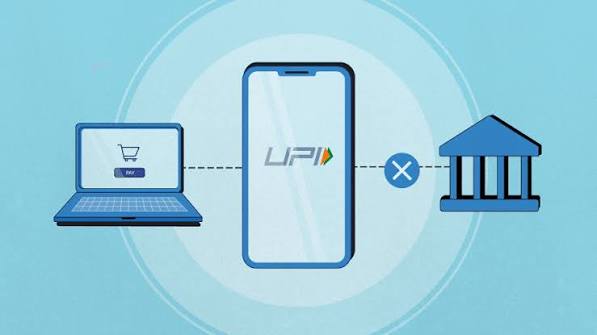
For eligible UPI transactions up to ₹2,000, the latest rule prevents banks and payment system providers from charging individuals directly or indirectly.
However, this does not mean that every type of UPI transaction is automatically free in every situation.
Different payment arrangements can have different rules.
For example, merchant-side charges and certain payment instruments can be treated differently.
Therefore, users should not assume that every UPI transaction of every type has exactly the same fee structure.
The important point is that the new protection specifically targets eligible low-value transactions up to ₹2,000.
What Does This Mean for Small Businesses?
Small businesses could benefit from continued growth in digital payments.
Consider a local grocery store.
A customer may not want to pay cash for every small purchase. At the same time, the shopkeeper wants a payment method that is quick and convenient.
UPI solves both problems.
The new rule can make low-value digital payments even more attractive to customers.
However, merchants also need to understand the difference between customer charges and merchant-side payment costs.
The absence of a customer charge does not necessarily mean that every participant in the payment ecosystem has zero operational costs.
UPI Is Now Moving Towards AI
The latest UPI development is not limited to payment charges.
India is also exploring a much more advanced idea: AI agents making payments on behalf of users.
NPCI is developing a framework to verify and monitor AI agents that could conduct transactions through UPI.
This concept is often called agentic payments.
Instead of manually opening a payment application every time, an authorised AI agent could eventually perform certain transactions according to instructions given by the user.
For example, imagine telling an AI assistant:
“Order my usual groceries when they are available and keep the total below ₹2,000.”
In the future, an authorised AI agent could potentially handle the process.
However, such a system would require strong authentication, clear limits, monitoring, and consumer protection.
Why Agentic Payments Could Be Important
Traditional digital payments require a person to initiate most transactions.
Agentic payments could change that model.
An AI system could potentially:
- Understand a user’s instructions
- Search for a product or service
- Compare available options
- Initiate a payment
- Complete a transaction within predefined limits
This could save time.
However, it also creates new risks.
What happens if an AI agent makes the wrong payment?
What if an attacker takes control of an authorised agent?
What happens if the agent misunderstands the user’s instructions?
These questions will become increasingly important as AI and digital payments become more connected.
Security Will Become More Important
Convenience is useful, but payment security must remain a priority.
As payment systems become more automated, criminals may also look for new ways to exploit them.
Users should therefore continue following basic security practices.
Never share your UPI PIN with another person.
Do not approve a payment simply because someone claims to be from a bank or payment company.
Be careful with unknown links.
Also, verify unusual payment requests before approving them.
Remember one simple rule:
Receiving money does not normally require you to enter your UPI PIN.
Your PIN is used to authorise certain transactions. Therefore, anyone asking for your PIN to “receive” money should immediately raise suspicion.
What Should UPI Users Do Now?
For most users, there is no complicated action required.
You can continue using UPI normally.
However, it is useful to understand your payment records and bank notifications.
If you notice an unexpected charge, check the transaction details.
Also, keep your banking application and smartphone updated.
Use screen locks and strong authentication.
Finally, never share sensitive banking credentials through phone calls, messages, or social media.
Could This Increase Digital Payment Adoption?
It could.
Removing or preventing charges on eligible small-value transactions can make digital payments more attractive.
This is especially relevant in situations where people make many small payments throughout the day.
For example, a customer may use UPI for a ₹50 purchase without worrying about additional charges on an eligible transaction.
Over time, small changes like this can influence consumer behaviour.
The bigger picture is also important.
India is already one of the world’s largest digital payment markets. UPI has become a major part of the country’s financial technology infrastructure.
Therefore, even a change focused on ₹2,000 transactions can have a large impact when millions of people make small payments regularly.
The Future of UPI Could Be More Automated
UPI has already moved far beyond simple QR-code payments.
The next stage could involve more automation.
AI assistants, voice interfaces, smart devices, and agentic systems could eventually become part of digital commerce.
Imagine a future where your AI assistant can:
- Pay recurring bills
- Order household products
- Book services
- Compare prices
- Track spending
- Make approved payments within a fixed budget
That future could make digital payments much more convenient.
At the same time, users will need greater control over what AI systems can and cannot do.
What Could Go Wrong With AI Payments?
Automation creates a new category of problems.
An AI system might misunderstand an instruction.
A malicious person might try to manipulate the system.
A compromised account could potentially lead to unauthorised transactions.
There could also be disputes about responsibility.
For example, if an AI agent makes a payment that the user did not intend to approve, who should be responsible?
The user?
The bank?
The payment provider?
The AI developer?
These questions need clear answers before agentic payments become widely used.
Why Consumer Protection Matters
The future of digital payments should not be based only on speed.
Trust is equally important.
People need to know that their money is protected when something goes wrong.
They also need clear information about transaction limits, authentication, refunds, fraud reporting, and liability.
Therefore, India’s next phase of digital payment growth will likely depend on both innovation and consumer protection.
Final Thoughts
The new rule for UPI payments up to ₹2,000 is an important development for India’s digital payment ecosystem.
For consumers, it strengthens the position of low-value digital payments.
For small businesses, it can support continued adoption of convenient payment methods.
At the same time, UPI is entering another interesting phase.
The development of AI-agent payments suggests that digital transactions could become increasingly automated.
However, convenience should never come at the cost of security.
As UPI evolves, users will need to understand not only how to make payments, but also how to protect them.
The future of digital payments in India may therefore be faster, smarter, and more automated.
But the most important feature will remain the same: trust.
Frequently Asked Questions
Are UPI payments up to ₹2,000 free?
The September 14, 2026 provision prevents banks and payment system providers from imposing direct or indirect charges on individuals for eligible UPI transactions up to ₹2,000.
Does the new rule apply to RuPay cards?
Yes. The latest provision also covers eligible RuPay debit card payments up to ₹2,000.
Can UPI charges still exist in other situations?
Yes. The new provision specifically addresses eligible low-value transactions. Different payment arrangements and transaction types may have different rules.
What are agentic UPI payments?
Agentic payments involve AI systems that can potentially perform transactions on behalf of users. NPCI is developing protocols and a registry to authenticate and monitor such AI agents.
Is it safe to give someone my UPI PIN?
No. Your UPI PIN is sensitive. Never share it with another person, even if they claim to represent a bank, payment application, or government organisation.
Reuters — India bars bank charges on UPI payments up to ₹2,000Reuters — India plans AI registry for agentic UPI paymentsEconomic Times — India preparing rollout of agentic payments on UPINews On AIR — Global Fintech Fest 2026 and Agentic AI