
Cryptocurrency Trends in 2026: The cryptocurrency industry has changed dramatically over the past few years. What started as a niche internet experiment has now become one of the most influential sectors in global finance and technology. In 2026, cryptocurrencies are no longer discussed only by tech enthusiasts or investors. Governments, businesses, banks, and millions of everyday users are actively participating in the crypto ecosystem.
From Bitcoin and Ethereum to AI-powered blockchain projects, the crypto market continues evolving rapidly. New technologies, regulations, and investment strategies are shaping the future of digital finance in ways never seen before.
This article explores the biggest cryptocurrency trends in 2026, including blockchain innovation, AI integration, Web3 growth, Bitcoin adoption, decentralized finance (DeFi), crypto gaming, and the future of digital assets.
The Rise of Mainstream Cryptocurrency Adoption

One of the biggest trends in 2026 is mainstream cryptocurrency adoption.
A few years ago, many people viewed crypto as risky or experimental. Today, cryptocurrencies are becoming more accepted worldwide.
Major companies now accept crypto payments, and financial institutions increasingly support blockchain-based services.
Popular cryptocurrencies like:
- Bitcoin,
- Ethereum,
- and other digital assets
are widely discussed in mainstream financial markets.
This growing acceptance is helping cryptocurrencies move closer to everyday use.
Governments and Crypto Regulations

In earlier years, lack of regulation created uncertainty in the crypto market. However, 2026 has brought stronger government involvement.
Many countries are introducing:
- crypto taxation policies,
- legal frameworks,
- investor protection rules,
- and digital asset regulations.
While some crypto users dislike government control, regulation also increases trust among mainstream investors.
Clear regulations help:
- reduce scams,
- improve market stability,
- and encourage institutional investment.
Governments now understand that cryptocurrency is not just a temporary trend but an important part of the future financial system.
Bitcoin Remains the King of Crypto
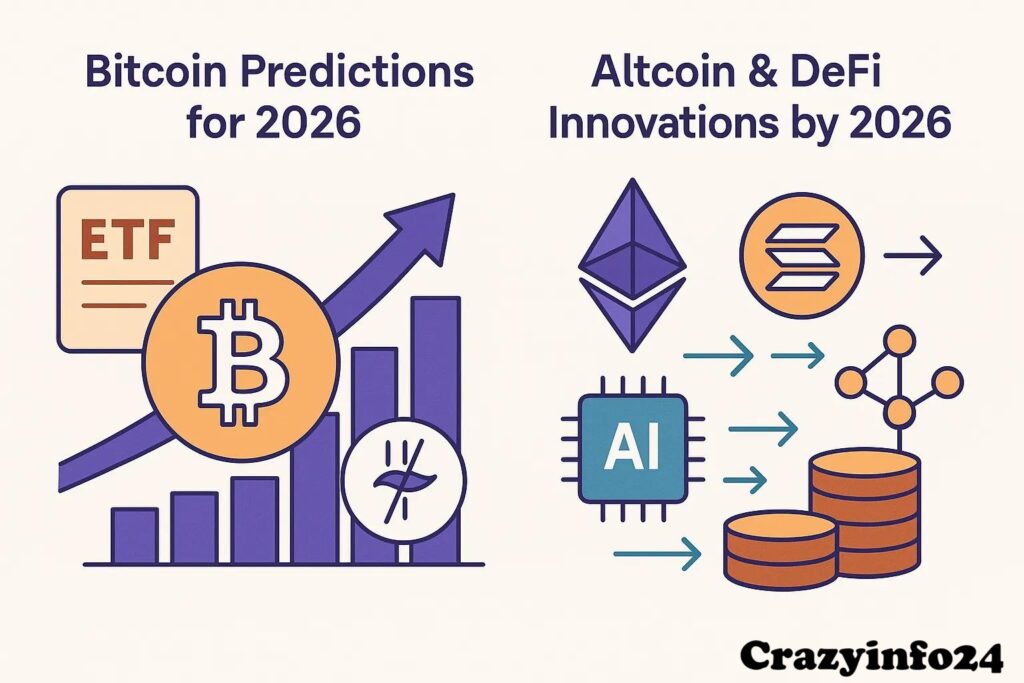
Even after thousands of new cryptocurrencies entered the market, Bitcoin continues dominating the crypto industry.
Many investors now view Bitcoin as:
- digital gold,
- a long-term investment,
- and protection against inflation.
Large institutions and investment firms continue adding Bitcoin to their portfolios.
In 2026, Bitcoin’s popularity remains strong because:
- it has limited supply,
- strong brand recognition,
- and global market trust.
Many experts believe Bitcoin will continue leading the cryptocurrency market for years.
Ethereum and Smart Contracts Continue Expanding
While Bitcoin is mainly used as a store of value, Ethereum remains the foundation of decentralized applications and smart contracts.
Ethereum powers:
- DeFi platforms,
- NFT marketplaces,
- Web3 applications,
- and blockchain gaming ecosystems.
Developers continue building innovative projects on Ethereum because of its flexibility and large community.
Ethereum’s role in blockchain innovation makes it one of the most important cryptocurrencies in the world.
Artificial Intelligence and Cryptocurrency
One of the newest and fastest-growing trends in 2026 is the combination of AI and blockchain technology.
AI-powered crypto projects are becoming increasingly popular because they combine:
- automation,
- machine learning,
- data analysis,
- and decentralized systems.
AI is now being used in:
- crypto trading bots,
- blockchain security,
- fraud detection,
- and smart contract automation.
Many investors believe AI-based crypto projects could become one of the biggest sectors in the blockchain industry.
Growth of Decentralized Finance (DeFi)
Decentralized Finance, commonly called DeFi, continues growing rapidly in 2026.
DeFi platforms allow users to:
- lend money,
- borrow funds,
- trade assets,
- and earn interest
without traditional banks.
Instead of relying on centralized institutions, DeFi uses smart contracts and blockchain technology.
Advantages of DeFi include:
- global accessibility,
- lower fees,
- faster transactions,
- and financial independence.
However, risks such as hacking and smart contract vulnerabilities still exist.
Despite these challenges, DeFi remains one of the most important trends in cryptocurrency.
Web3 Is Expanding Rapidly
Web3 represents the next generation of the internet powered by blockchain technology.
Unlike traditional internet platforms controlled by large corporations, Web3 focuses on:
- decentralization,
- user ownership,
- privacy,
- and blockchain-based applications.
In 2026, Web3 projects are growing in:
- gaming,
- social media,
- finance,
- and digital identity systems.
Many experts believe Web3 could transform how people interact online in the future.
Crypto Gaming and Metaverse Projects
Gaming and cryptocurrency are becoming deeply connected.
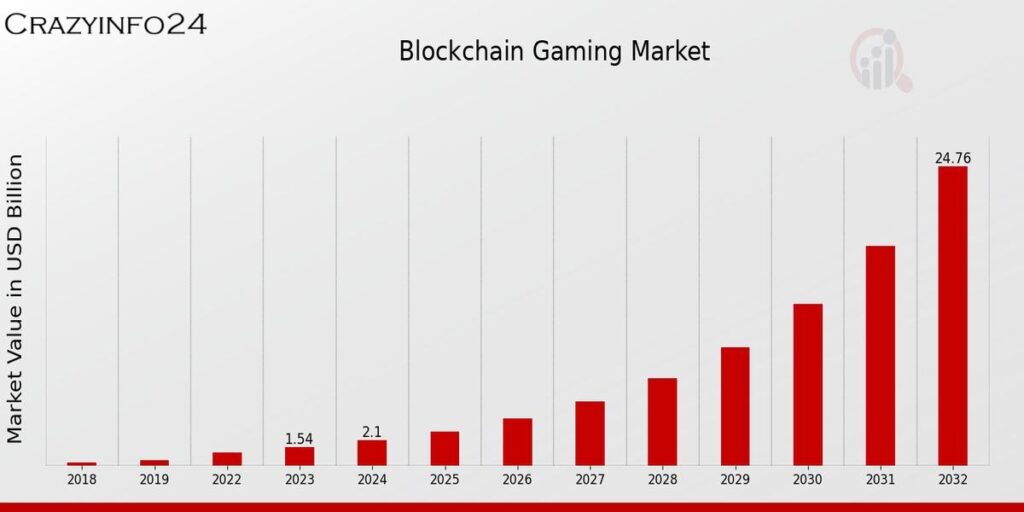
Blockchain gaming allows players to:
- own digital assets,
- trade virtual items,
- and earn rewards through gameplay.
Play-to-earn gaming models remain popular in 2026, especially in developing countries where players use gaming as an income source.
Metaverse projects are also evolving with:
- virtual economies,
- NFT integration,
- and blockchain ownership systems.
Although hype around the metaverse slowed compared to earlier years, many companies still continue investing heavily in virtual environments.
Stablecoins Are Becoming More Important
Cryptocurrency markets are highly volatile. To solve this problem, stablecoins are becoming increasingly important.
Stablecoins are digital currencies linked to stable assets such as:
- US dollars,
- gold,
- or government-backed reserves.
Popular stablecoins help users:
- avoid extreme volatility,
- transfer money quickly,
- and participate in DeFi safely.
In 2026, stablecoins play a major role in the global crypto economy.
Central Bank Digital Currencies (CBDCs)
Governments are also entering the digital currency market through CBDCs.
CBDCs are government-controlled digital currencies created by central banks.
Unlike decentralized cryptocurrencies, CBDCs are fully regulated and controlled by governments.
Many countries are testing or launching CBDCs because they offer:
- faster payments,
- better transaction tracking,
- and digital financial infrastructure.
The rise of CBDCs may significantly change the future relationship between governments and cryptocurrency markets.
NFTs Continue Evolving
NFTs (Non-Fungible Tokens) were once mainly associated with digital art, but their use cases are expanding in 2026.
NFTs are now being used for:
- gaming assets,
- digital identities,
- event tickets,
- memberships,
- and intellectual property.
The NFT market became more utility-focused rather than purely speculative.
This shift helped NFTs regain importance after earlier market crashes.
Security and Crypto Scams
As cryptocurrency adoption grows, cybersecurity becomes increasingly important.
Crypto scams remain a major issue in 2026, including:
- phishing attacks,
- fake projects,
- rug pulls,
- and wallet hacks.
Investors are becoming more educated about:
- hardware wallets,
- two-factor authentication,
- and blockchain security practices.
Security awareness is now essential for anyone entering the crypto market.
Environmental Concerns and Green Blockchain Technology
Environmental criticism has always been a challenge for cryptocurrencies, especially mining-based systems.
In response, many blockchain projects are shifting toward:
- energy-efficient networks,
- proof-of-stake systems,
- and sustainable infrastructure.
Ethereum’s transition away from energy-heavy mining significantly influenced the industry.
Green blockchain technology is becoming an important trend for the future of crypto.
Institutional Investment Is Increasing
Large financial institutions now play a major role in cryptocurrency markets.
Banks, hedge funds, and investment companies increasingly invest in:
- Bitcoin,
- blockchain startups,
- crypto ETFs,
- and digital asset services.
Institutional involvement brings:
- higher liquidity,
- stronger market confidence,
- and broader public acceptance.
This trend is helping crypto become more integrated into traditional finance.
The Future of Cryptocurrency
The future of cryptocurrency remains exciting but unpredictable.
Some experts believe crypto could eventually:
- transform banking,
- replace certain payment systems,
- and create a more decentralized internet.
Others believe regulation and market volatility may slow adoption.
However, one thing is clear:
blockchain technology and digital assets are no longer temporary internet trends.
Cryptocurrency has become a major part of global technological and financial innovation.
Challenges Facing the Crypto Industry
Despite rapid growth, the industry still faces several challenges:
- government restrictions,
- security risks,
- market volatility,
- scams,
- and public skepticism.
Mass adoption will depend on:
- better education,
- stronger infrastructure,
- and improved user safety.
The crypto industry must continue evolving responsibly to maintain long-term growth.
Final Thoughts
Cryptocurrency trends in 2026 show that the industry is entering a more mature and technologically advanced phase.
From Bitcoin and Ethereum to AI-powered blockchain systems and decentralized finance, crypto is influencing how people think about money, ownership, and digital technology.
While risks still exist, the overall growth of blockchain innovation suggests that cryptocurrencies will continue playing a major role in the future global economy.
As technology evolves further, cryptocurrency may become one of the most important financial revolutions of the modern digital era.
FAQs:
One of the biggest cryptocurrency trends in 2026 is the integration of artificial intelligence (AI) with blockchain technology and the rapid growth of decentralized finance (DeFi).
Many investors still consider cryptocurrencies like Bitcoin and Ethereum strong long-term investments, but the market remains volatile and involves financial risk.
Web3 is the next generation of the internet powered by blockchain technology, focusing on decentralization, user ownership, and digital privacy.